










Digital COA Systems for Batch Verification
Digital COA systems organize batch records, verification data, and quality documentation so research purchasers can confirm materials with confidence.

Assay Report Format Review for Batch Verification
Use an assay report format review to assess identity, purity, method controls, and batch traceability before accepting materials for lab research use.

How to Compare Purity Methods for Peptides
Learn how to compare purity methods for research peptides by reviewing method fit, chromatograms, mass data, batch identity, and COA traceability records.

Traceability System Implementation Example
See a traceability system implementation example for research materials, from supplier intake and batch records to secure COA verification and review.

Online Laboratory Vendor Review: What to Verify
Use this online laboratory vendor review framework to assess documentation, batch traceability, verification access, policies, and ordering controls.

Peptide Receiving Checklist for Research Labs
Use this peptide receiving checklist to inspect packaging, confirm lot identity, review COAs, document condition, and protect research continuity first.

Can Buyers Access Batch Records Before Purchase?
Can buyers access batch records before purchasing? Learn what quality documentation should show, how lot verification works, and where access may differ.

Vendor Versus Marketplace: Evidence Before Purchase
Vendor versus marketplace sourcing affects traceability, COA access, and batch control. Learn what research buyers should verify before ordering materials.

Digital Quality Registry Review for Research Buyers
A digital quality registry review helps research buyers assess lot-specific COAs, traceability, methods, and document controls before ordering materials.
Peptide Documentation Versus Marketing Claims
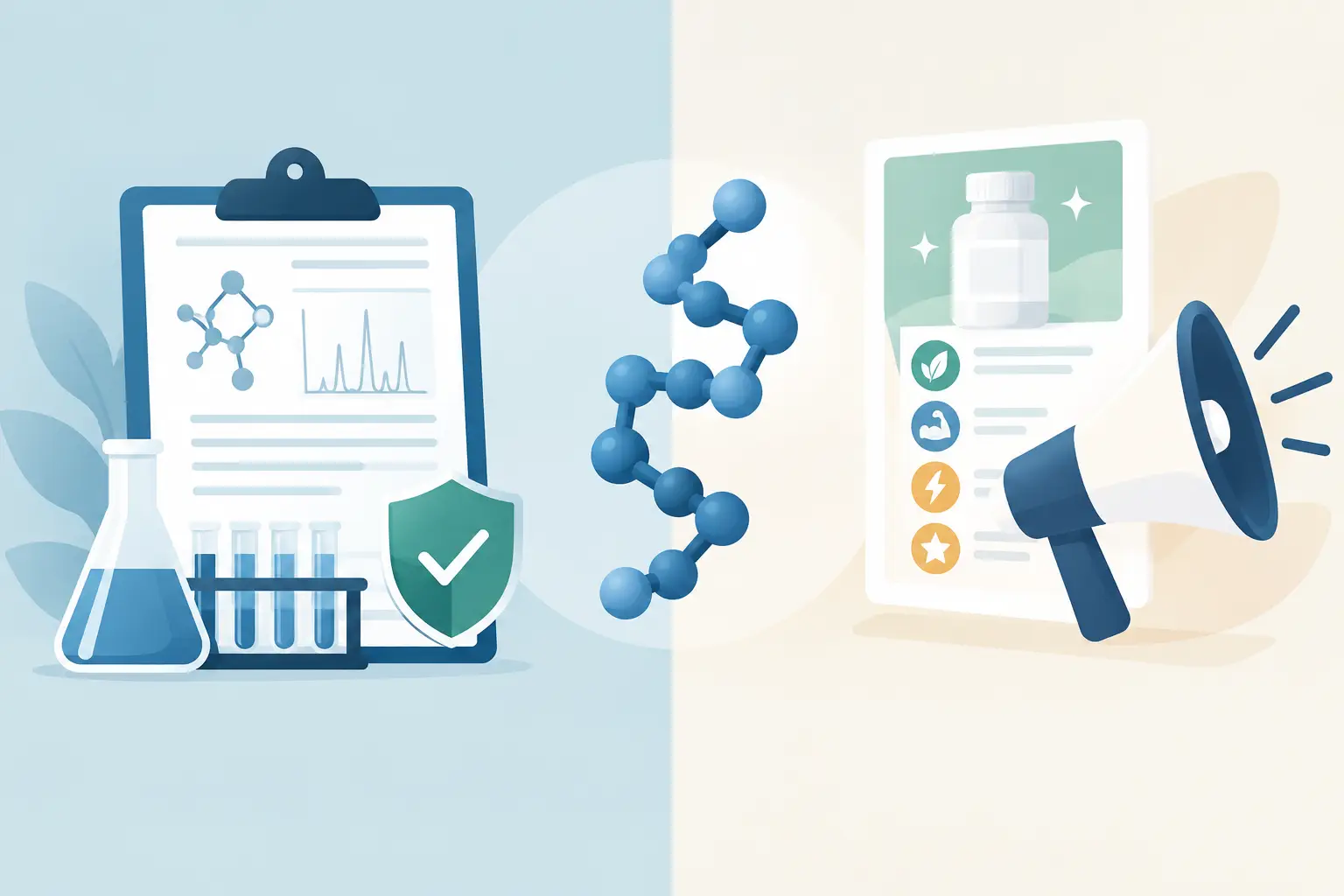
Peptide documentation versus marketing claims: evaluate lot-specific COAs, methods, and traceability before sourcing research materials for informed use.

Laboratory Chain Custody Process Explained
Understand the laboratory chain custody process, from receipt through testing and retention, and build traceable records for confident research decisions.
How to Use QR Verification for Research Batches
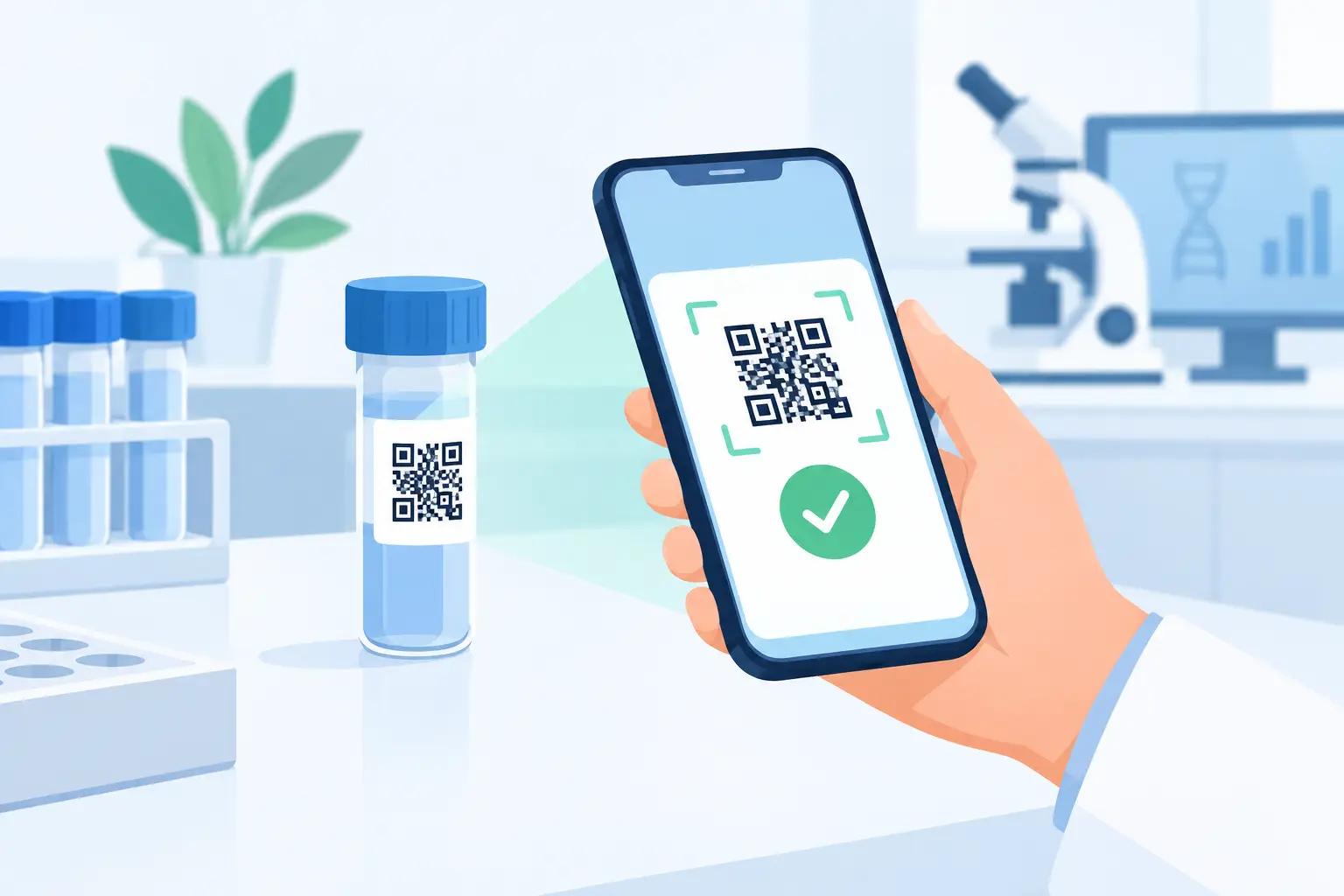
Learn how to use QR verification to confirm a research product’s batch record, COA, and documentation before organizing materials for daily laboratory use.

Best Peptide Packaging Features for Verified Research
Best peptide packaging features protect product identity, handling conditions, and batch traceability, helping research purchasers verify sourced materials.

Why Are Assay Dates Important for Research?
Why are assay dates important? They show when a research peptide was tested, helping you assess COA relevance, storage history, and batch traceability.
How to Inspect Vial Seals Before Research Use
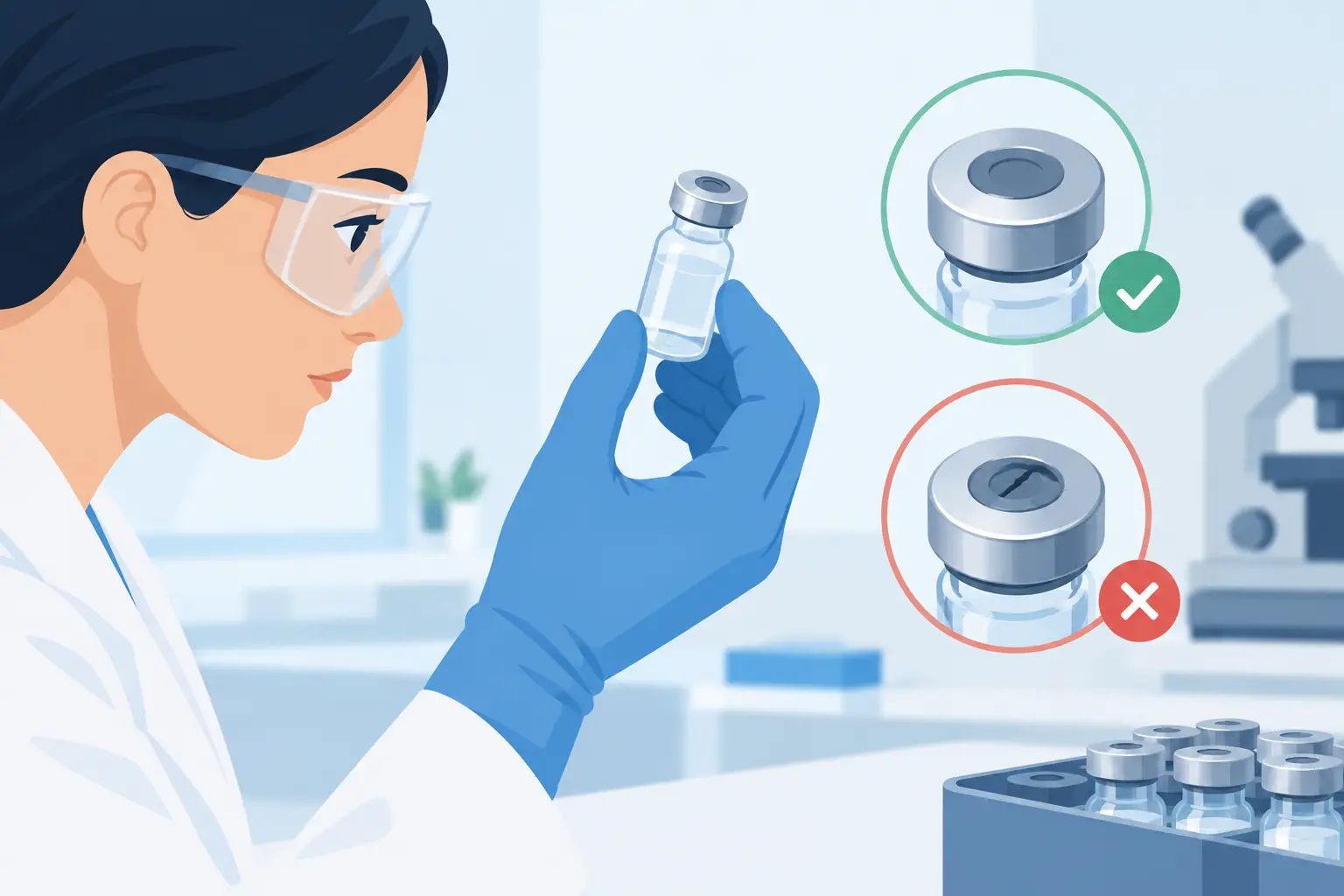
Learn how to inspect vial seals for damage, integrity, and traceability before research use, with documentation checks that support controlled handling.

Batch Release Versus Incoming Inspection
Understand batch release versus incoming inspection, their distinct controls, and how lot-specific documentation supports clear research material sourcing

Best Practices for Peptide Handling in Research
Apply best practices for peptide handling with documented receiving, storage, reconstitution, labeling, and disposal controls for research use in labs.

Secure Laboratory Supply Purchasing Guide
Use this secure laboratory supply purchasing guide to verify documentation, protect account data, and source research materials with confidence securely.

Batch Records Versus Supplier Claims Explained
Batch records versus supplier claims: learn how lot-specific COAs, methods, traceability, and review support defensible research sourcing decisions.

How to Authenticate Research Materials Properly
Learn how to authenticate research materials with lot records, COAs, analytical methods, and supplier controls for traceable purchasing sound decisions.

Online Peptide Vendors Comparison Criteria
Use online peptide vendors comparison criteria to assess COAs, lot traceability, verification access, policies, and ordering controls before sourcing safely

Peptide Traceability and the Records That Matter
Peptide traceability connects a research product to its batch, test results, and handling records so purchasers can verify documentation before ordering.
How to Review a Peptide COA Before Purchase
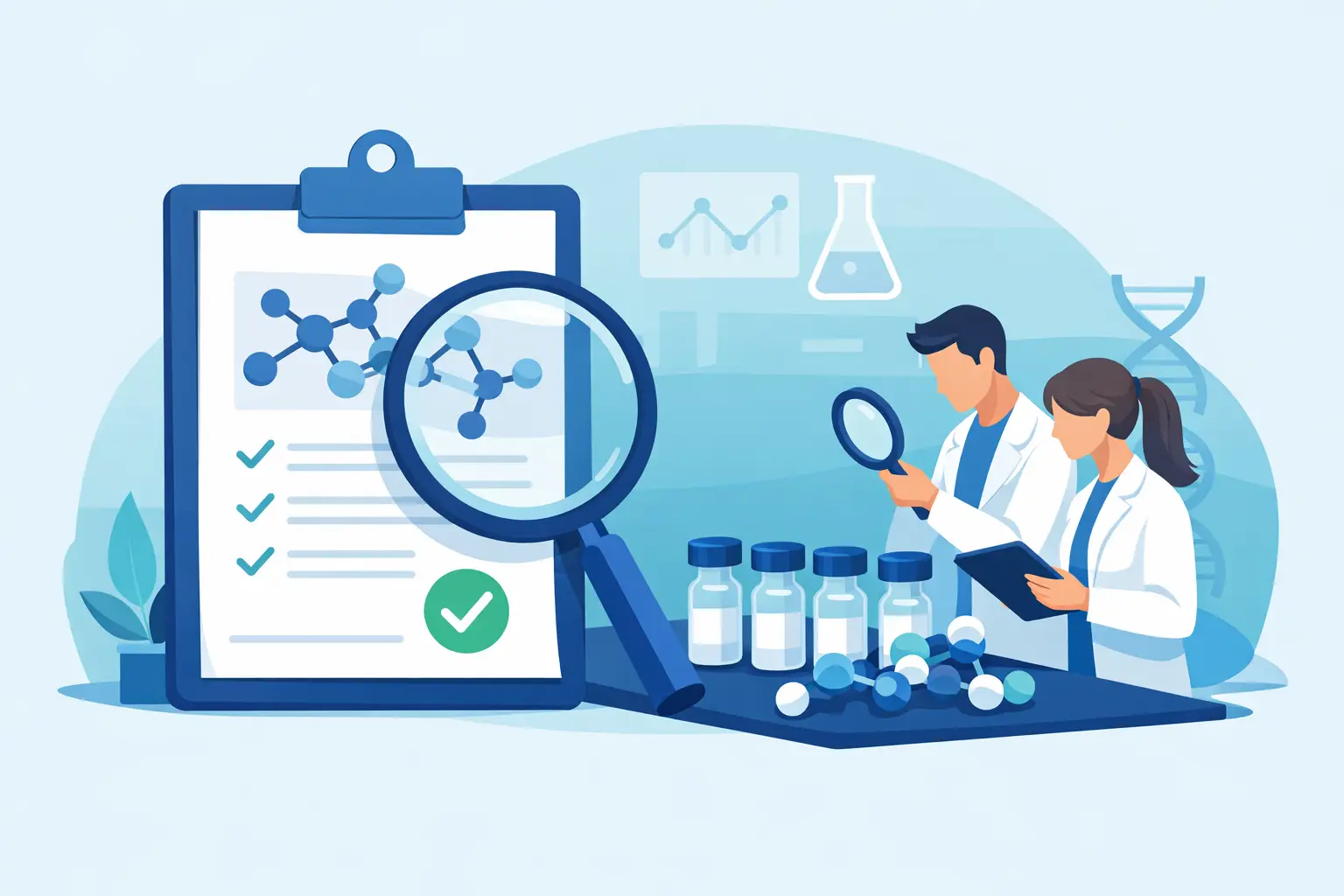
A peptide COA supports batch-level review of identity, purity, testing methods, and traceability. Learn what to verify before ordering research materials.

How to Assess Peptide Documentation Before Purchase
Learn how to assess peptide documentation by reviewing lot identity, analytical methods, COA data, traceability, and verification records before purchase.

Research Peptides and the Documentation That Matters
Research peptides require more than a stated purity value. Learn how batch records, COAs, identity testing, and chain-of-custody support informed sourcing.

Laboratory Procurement Controls That Stand Up
Laboratory procurement requires more than a product match. Build documented sourcing controls with lot traceability, COAs, and clear release records today.

How to Evaluate Peptide Suppliers for Research
Evaluate peptide suppliers with a documentation-first process: verify lot-specific COAs, test methods, traceability, handling controls, and support access before ordering.

What Documents Accompany Peptide Shipments?
Learn what documents accompany peptide shipments, how to verify lot identity, and which quality records support traceable, research-use materials clearly.

A Guide to Research Material Traceability
This guide to research material traceability explains how to verify lot identity, review COAs, maintain records, and control research material risk early.

Quality Documentation for Research Peptides
Quality documentation gives research purchasers a clear path to evaluate batch identity, test records, traceability, and supplier controls before ordering.

Peptide Stability Storage Conditions That Matter
Peptide stability storage conditions depend on format, temperature, moisture, light, and handling. Build a documented protocol for reliable research use.

Lyophilized Peptide Storage Guidelines That Protect Quality
Lyophilized peptide storage guidelines for research materials: manage temperature, moisture, light, handling, and records to protect batch integrity now.

Research Use Only Peptides Explained for Buyers
Research use only peptides explained: understand labeling, batch documentation, COAs, traceability, and proper boundaries for US-based research purchasing.

Peptide Lot Number Lookup for Research Materials
Use a peptide lot number lookup to confirm batch identity, review COAs, assess quality documentation, and maintain traceable research records with confidence.

Mass Spectrometry Peptide Verification Explained
Mass spectrometry peptide verification helps confirm molecular mass, identify expected signals, and support lot-specific research quality records clearly.

How to Read HPLC Peptide Results Correctly
Learn how to read HPLC peptide results by checking retention time, peak area, chromatogram shape, method details, and batch-level COA context in research.

What Third Party Peptide Testing Can Confirm
Third party peptide testing helps researchers assess identity, purity, and documentation. Learn what independent results can and cannot confirm for batch.

Peptide Identity Testing Methods Explained
Peptide identity testing methods help confirm that a research material matches its expected molecular structure, sequence, and documented batch record.
Choosing a Research Peptide Supplier in the USA
Choosing a research peptide supplier in the USA requires more than a listing. Review lot traceability, COAs, test scope, records, and order controls.

What Does Peptide Purity Mean for Research?
What does peptide purity mean? Learn how purity is measured, what COAs show, and why batch-level verification matters when sourcing research materials.

Research Peptide Batch Verification Explained
Research peptide batch verification helps laboratories confirm lot identity, review COAs, assess test scope, and maintain documented procurement records.

How to Buy Research Peptides Online With Confidence
Buy research peptides online with confidence using batch-level verification, COAs, traceability records, and clear supplier quality documentation access.

How to Verify Peptide COA Before Research Use
Learn how to verify peptide COA records by matching lot data, reviewing test methods, and confirming traceable quality documentation before research use.

Research Peptide Certificate of Analysis Guide
A research peptide certificate of analysis explains batch identity, purity, test methods, and traceability for documented research material review checks.